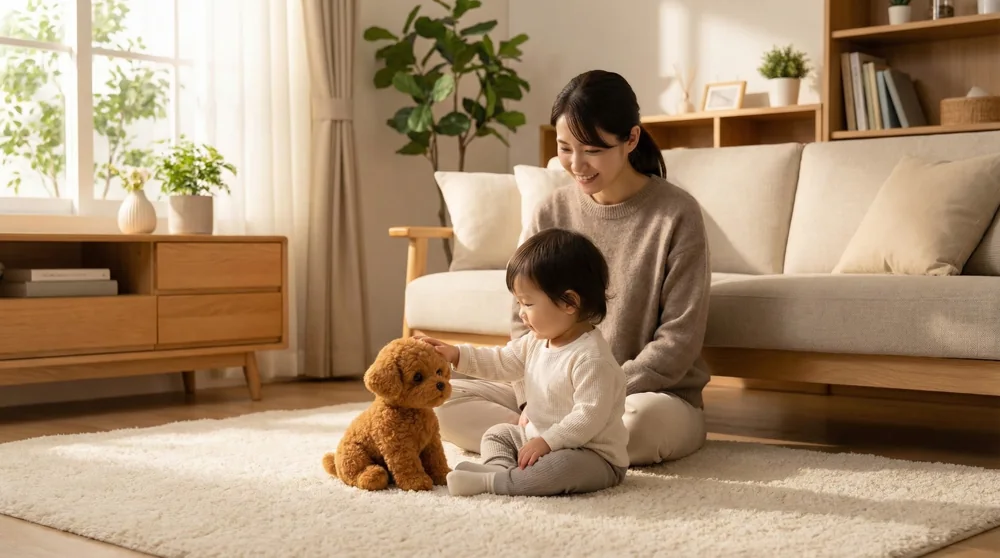
Safety is often the first concern parents have when considering an interactive or robotic toy. Because robotic pet toys can move, make sounds, and respond to touch, it’s important to understand how safety is addressed in their design and how parents can support safe use at home.
This guide explains safety considerations around the Wuffy Robot Dog in clear, practical terms so parents know what to expect.

Robotic pet toys for children are typically designed with safety limits built into their operation.
These limits often include:
Controlled movement speed
Lightweight construction
Enclosed internal components
The goal is to allow interaction while reducing the risk of injury during normal play.
Because Wuffy can move, parents often wonder whether that movement could pose a risk.
In general, movement in robot dog toys is:
Slow and controlled
Limited in range
Designed for indoor environments
Children should be encouraged to play on flat surfaces and avoid using the toy near stairs or water.
Like many interactive toys, Wuffy uses a battery-powered system.
Parents should look for:
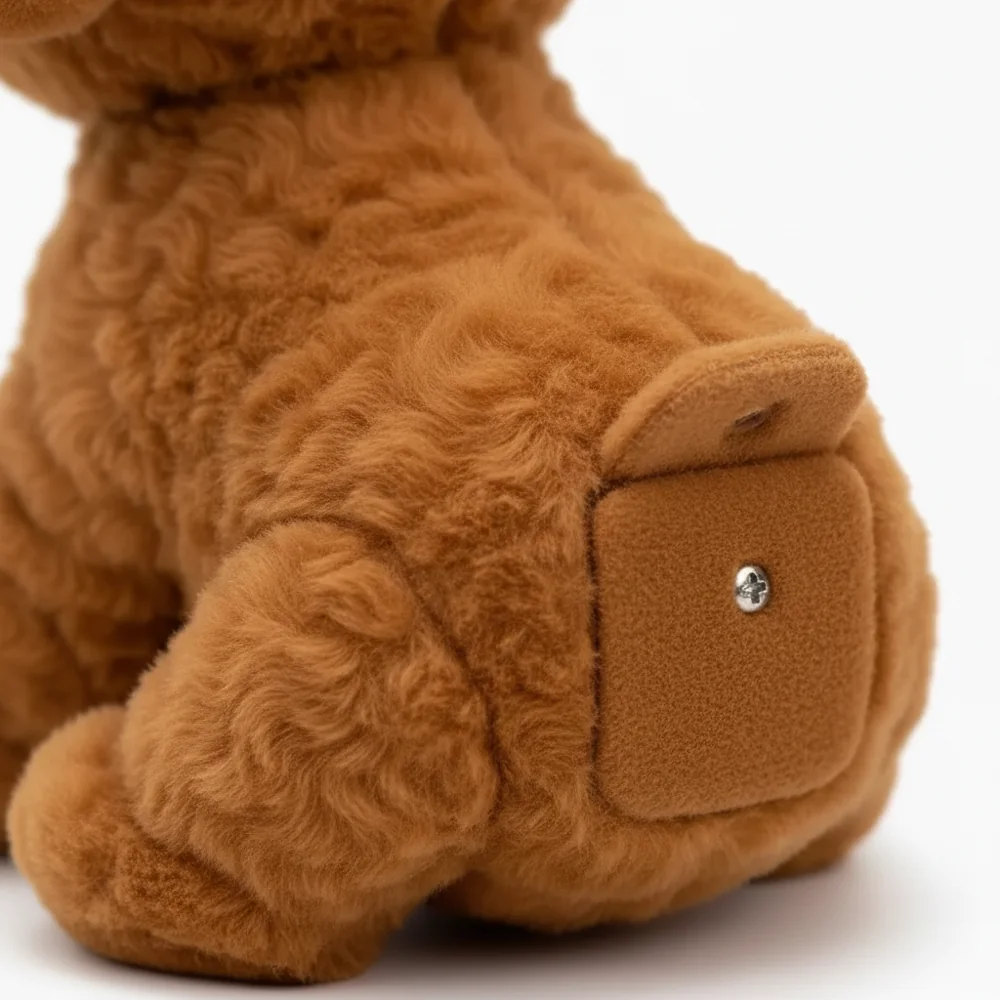
Battery compartments secured with screws
No exposed wiring or charging points
Clear instructions for battery replacement or charging
Parents should handle battery changes themselves and keep loose batteries out of children’s reach.
Sound is part of how robotic pet toys communicate during play.
Sound-related safety considerations include:
Volume levels suitable for indoor use
Sounds triggered by interaction rather than continuous noise
Placement of speakers away from direct ear contact
If a toy feels too loud in a quiet room, parents may want to limit play duration.
The materials used in children’s toys play a major role in safety.
Robotic pet toys like Wuffy are generally made from:
Smooth plastics with rounded edges
Materials intended for repeated handling
Components designed to stay intact during normal play
Parents should periodically inspect toys for cracks, loose parts, or unusual noises.
Even when toys are designed for children, supervision matters.
Parents should:
Follow age recommendations closely
Ensure no parts become detached over time
Stop use if any small pieces appear
This is especially important for households with younger siblings.
Because Wuffy does not rely on screens or apps, certain risks are reduced.
Screen-free design helps avoid:
Eye strain
Accidental access to inappropriate content
Data or privacy concerns
All interaction remains physical and contained within playtime.
No toy is completely risk-free without adult awareness.
Parents can improve safety by:
Observing early play sessions
Setting rules about where the toy can be used
Encouraging gentle handling
Simple guidance often prevents common issues.
Safety is also about understanding.
Parents can:
Explain that Wuffy is a toy, not a real animal
Encourage calm interaction rather than rough play
Model appropriate behavior during play
These conversations help children develop safe habits.
Wuffy may not be suitable if:
A child is significantly below the recommended age
A child tends to throw or misuse toys
Supervision is not possible during play
Choosing toys that match a child’s behavior is part of safety.
If parents notice:
Unusual movement
Overheating
Loose components
They should stop use immediately and follow manufacturer guidance. Regular inspection helps prevent problems before they become safety concerns.
The Wuffy Robot Dog is designed as a child-friendly, interactive toy with safety-focused features and predictable behavior. When used as intended and paired with parental guidance, it can offer engaging play without unnecessary risk.
Understanding both the toy’s design and the role of supervision helps parents decide whether it fits their child’s needs. The main Wuffy page gives more information about this prodcut.