How Interactive Toys Work: A Parent-Friendly Explanation

Interactive toys may seem complex on the outside, but most are built on simple, predictable technology designed specifically for children. Understanding how these toys work can help parents make better decisions about safety, durability, and age-appropriateness.

This guide explains how interactive toys function, what components they use, and what parents should realistically expect from them.

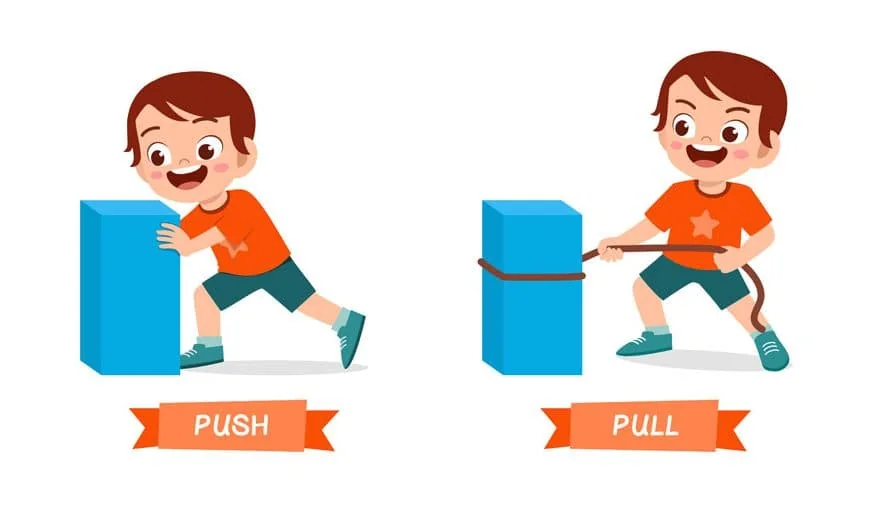
Illustration showing how an interactive toy responds to a child’s action

The Basic Idea Behind Interactive Toys

At a basic level, interactive toys work by following a simple cycle:

Input → Processing → Response

  • A child does something (touches, moves, presses, or speaks)

  • The toy detects that action

  • The toy responds in a programmed way

This predictable pattern is what makes interactive toys engaging without being overwhelming.

Common Inputs Interactive Toys Detect

Interactive toys are designed to sense specific types of input. The most common include:

  • Touch: pressure sensors or buttons

  • Movement: motion or tilt sensors

  • Sound: basic microphones for clapping or simple voice detection

  • Light: sensors that react to brightness or darkness

Not all toys use all inputs. Most rely on just one or two to keep behavior simple and age-appropriate.

How Toys Process a Child’s Actions

Illustration of basic components inside an interactive toy

Inside most interactive toys is a small processor or circuit board. This component is responsible for:

  • Interpreting the input it receives

  • Deciding which response to trigger

  • Ensuring the response follows predefined rules

These processors do not think or learn on their own. They simply follow instructions programmed during manufacturing.

Types of Responses Interactive Toys Provide

Once an input is processed, the toy responds in a specific way. Common responses include:

  • Movement, such as rolling or turning

  • Sounds, music, or spoken phrases

  • Lights or visual effects

  • Changes in behavior, like switching modes

The response is what creates the feeling of interaction for the child.

Power Sources and Energy Use

Most interactive toys are powered by:

  • AA or AAA batteries

  • Rechargeable internal batteries

Battery compartments should always be:

  • Securely closed

  • Child-resistant

  • Easy for parents to access

Parents should regularly check batteries to ensure toys function properly and safely.

Boy plays with battery powered toy

Do Interactive Toys Use the Internet?

Many interactive toys are completely offline. They operate independently and do not connect to Wi-Fi, apps, or external services.

Some advanced toys may include smart features, but these are typically:

  • Optional

  • Limited in scope

  • Clearly described by the manufacturer

Parents should always review product details if connectivity is a concern.

Why Interactive Toys Feel Engaging to Children

Interactive toys feel engaging because they:

  • React immediately to actions

  • Create a sense of participation

  • Encourage repeated experimentation

Children naturally enjoy discovering how their actions influence outcomes, which is why simple interactivity can be so effective.

What Interactive Toys Cannot Do

It’s important to set realistic expectations. Interactive toys:

  • Do not replace learning from people

  • Do not understand emotions

  • Do not adapt beyond their programming

They are tools for play, not substitutes for interaction, creativity, or guidance.

Safety Built Into Interactive Toy Design

Manufacturers design interactive toys with safety in mind by:

  • Limiting response complexity

  • Controlling volume levels

  • Using durable materials

  • Restricting access to internal components

Parents should still supervise use, especially with younger children.

How This Applies to Robotic and Pet-Style Toys

Some interactive toys include simple robotic movement or pet-like behaviors. These follow the same principles described above, just with added motion or programmed routines.

Understanding these basics makes it easier to evaluate toys such as robotic pets and determine whether they fit a child’s needs.

Final Thoughts for Parents

Interactive toys work by responding to simple inputs with predictable actions. When parents understand how these toys function, it becomes easier to choose options that are safe, appropriate, and genuinely engaging.

The technology itself is only part of the picture. How a toy is used — and how it fits into a child’s daily play — matters most.