Are Robotic Toys Safe for Kids? A Parent’s Guide

Parent supervising a child playing safely with a toy

Robotic toys are designed to move, respond, and interact, which naturally raises safety questions for parents. While many robotic toys are made with children in mind, safety depends on design, age-appropriateness, and supervision.

This guide explains the main safety factors parents should consider before choosing robotic toys for their children.


How Robotic Toys Are Designed With Safety in Mind

Most children’s robotic toys are built to meet safety standards that address:

  • Durable materials

  • Limited movement speed

  • Controlled sound levels

  • Enclosed internal components

Manufacturers typically design these toys to avoid sharp edges, exposed wiring, or excessive force during movement.

Age Recommendations Matter

Robotic toys often include age guidelines for a reason.

Age recommendations take into account:

  • Small parts that may pose choking risks

  • Complexity of interaction

  • Motor skills required to play safely

Parents should always follow these guidelines and choose toys that match their child’s developmental stage.

Battery and Power Safety

Illustration of a toy with a secure battery compartment

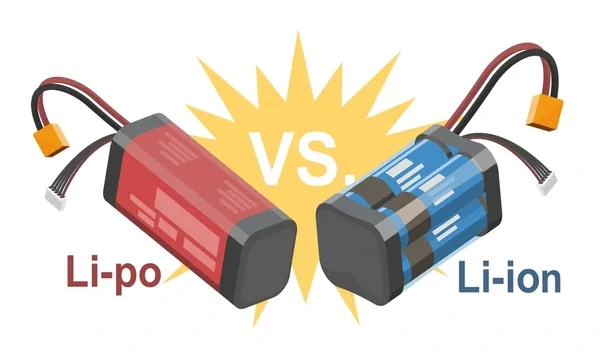
Most robotic toys use batteries or rechargeable power sources. Parents should check that:

  • Battery compartments are secured with screws or locks

  • Batteries cannot be accessed easily by children

  • Charging ports are covered and well-designed

Regularly inspecting batteries helps prevent leaks or malfunctions.

Movement and Physical Interaction

Because robotic toys can move, parents often worry about physical safety.

In general:

  • Children’s robotic toys move slowly

  • Force is limited to avoid injury

  • Toys are designed for indoor, controlled environments

Younger children should be supervised to ensure play remains gentle and appropriate.

Sound and Volume Levels

Some robotic toys include sound effects or speech.

Parents should consider:

  • Whether volume can be adjusted

  • If sounds are sudden or repetitive

  • How close children hold the toy to their ears

Toys designed for kids usually keep sound levels within safe ranges, but checking volume settings is still important.

Materials and Durability

Some robotic toys include microphones or basic smart features. Parents should:

  • Review whether the toy connects to the internet

  • Check if data is stored or transmitted

  • Understand what information, if any, is collected

Many children’s robotic toys are fully offline, but it’s always wise to read product details carefully.

Close-up of durable and child-safe toy materials

Supervision and Play Environment

No toy is completely risk-free without supervision.

Parents can improve safety by:

  • Playing alongside younger children

  • Keeping toys away from stairs or water

  • Storing toys properly when not in use

Robotic toys are safest when used as intended and in suitable spaces.

When Robotic Toys May Not Be a Good Fit

Robotic toys may not suit every child. Parents might reconsider if:

  • A child tends to throw or misuse toys

  • The child is below the recommended age

  • The toy causes overstimulation

Understanding a child’s behavior helps guide safer choices.

Final Thoughts for Parents

Robotic toys can be safe for kids when chosen thoughtfully and used responsibly. Paying attention to age guidelines, materials, power sources, and supervision makes a significant difference.

Safety is less about the technology itself and more about how the toy fits into a child’s daily play routine.