Interactive Toys for Toddlers (Ages 1–3): What Parents Should Know

Toddlers learn through movement, repetition, and simple cause-and-effect. Interactive toys for ages 1–3 should be safe, simple, and predictable, supporting exploration without overstimulation.

This guide explains what works best for this age group and what parents should prioritize.

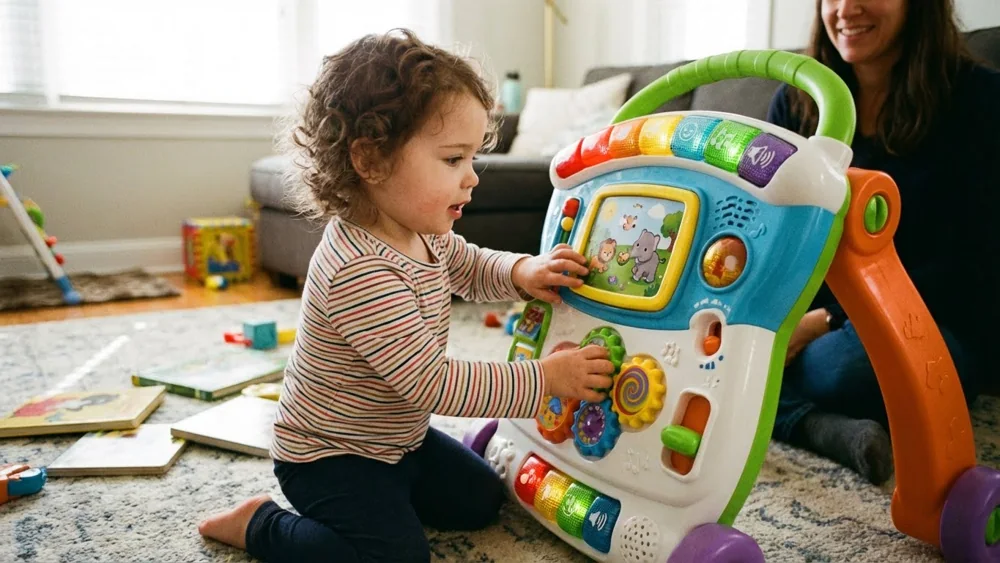
Toddler exploring an interactive toy during playtime

How Toddlers Learn Through Play

Between ages one and three, children:

  • Explore by touching, shaking, and moving objects

  • Learn through repetition and immediate feedback

  • Develop basic motor and sensory skills

Toys that respond clearly to simple actions can support this natural learning style.

What Makes an Interactive Toy Suitable for Ages 1–3

For toddlers, good interactive toys typically:

  • Use single-step interactions (press → sound, move → light)

  • Have large, easy-to-grip parts

  • Respond consistently and gently

Complex modes or multi-step instructions are usually not appropriate at this stage.

Safety Is the Top Priority

Parents should look for:

  • No small or detachable parts

  • Smooth edges and sturdy construction

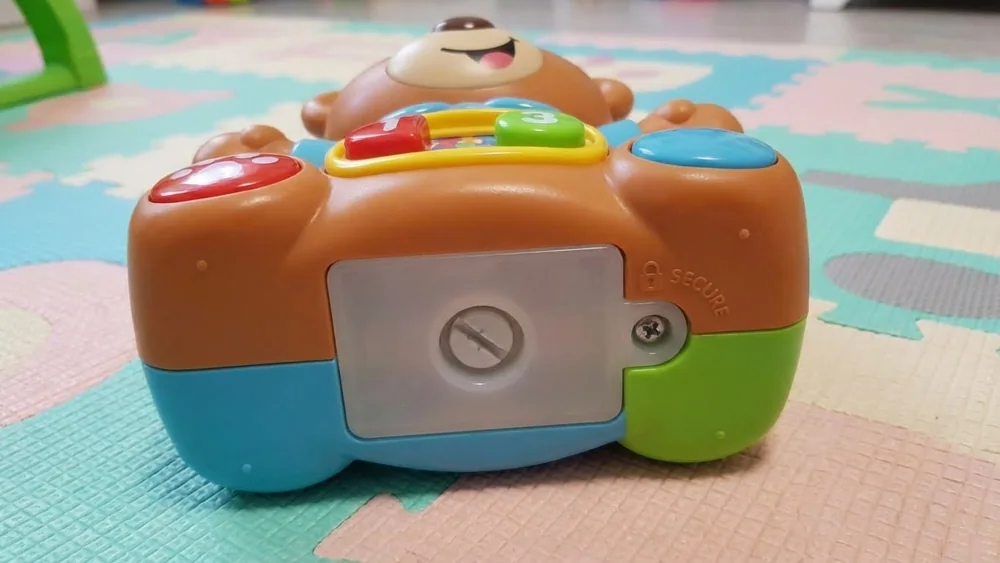
  • Secured battery compartments (screw-locked)

  • Gentle sound levels

Adult supervision is recommended, especially during early play.

Toy with a secure battery compartment designed for toddlers

Simple Sounds, Lights, and Movement

Toddlers respond well to:

  • Soft sounds and music

  • Slow, predictable movement

  • Subtle lights without flashing patterns

These features help engagement without overwhelming a young child’s senses.

Screen-Free and Offline Design

Interactive toys for toddlers should ideally be:

  • Screen-free

  • App-free

  • Offline

This keeps play focused on hands-on exploration rather than digital interaction.

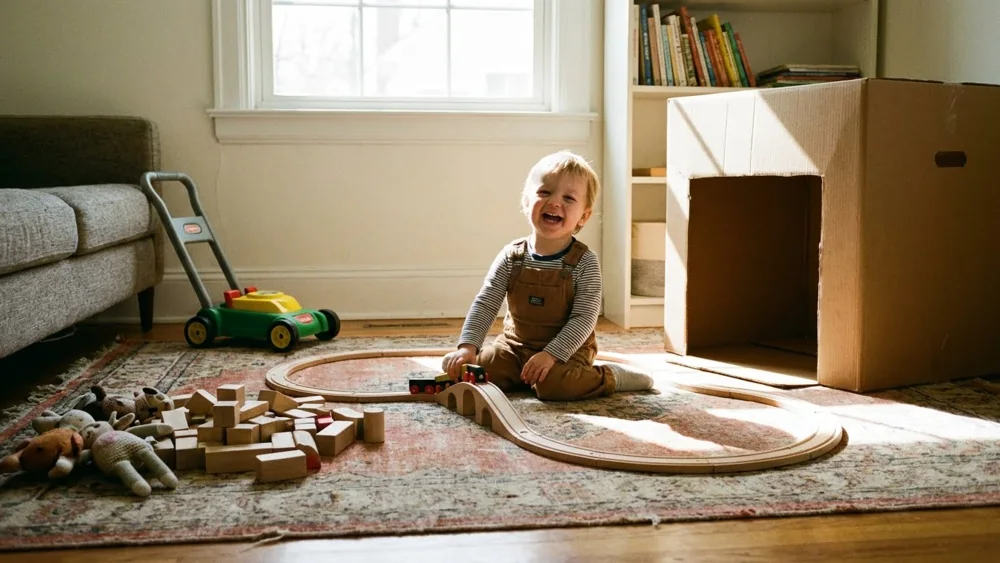
Toddler engaged in screen-free play with toys

Encouraging Independent Exploration

At this age, toys should allow toddlers to:

  • Explore safely on their own

  • Repeat actions as often as they like

  • Learn without instructions

Parents can observe and occasionally join play without directing it.

Signs a Toy May Not Be Right for This Age

A toy may be unsuitable if:

  • The child becomes frustrated quickly

  • The toy has too many buttons or modes

  • Sounds or movements are too sudden

  • The toy is considered unsafe

Simplicity is usually better for ages 1–3.

How Parents Can Support Healthy Play

Parents can:

  • Rotate toys to maintain interest

  • Keep play sessions short and positive

  • Talk to toddlers about what the toy is doing

Language and interaction from adults add value to playtime.

Final Thoughts for Parents

For toddlers ages 1–3, the best interactive toys are safe, simple, and engaging without being overwhelming. When chosen thoughtfully, they can support early learning and exploration as part of a balanced play environment.