Interactive robotic toys for kids combine physical play with basic technology to create toys that respond to a child’s actions. These toys can move, make sounds, or react when touched, offering an experience that feels more engaging than traditional static toys.
This guide explains what interactive robotic toys are, how children use them, and what parents should understand before choosing one.
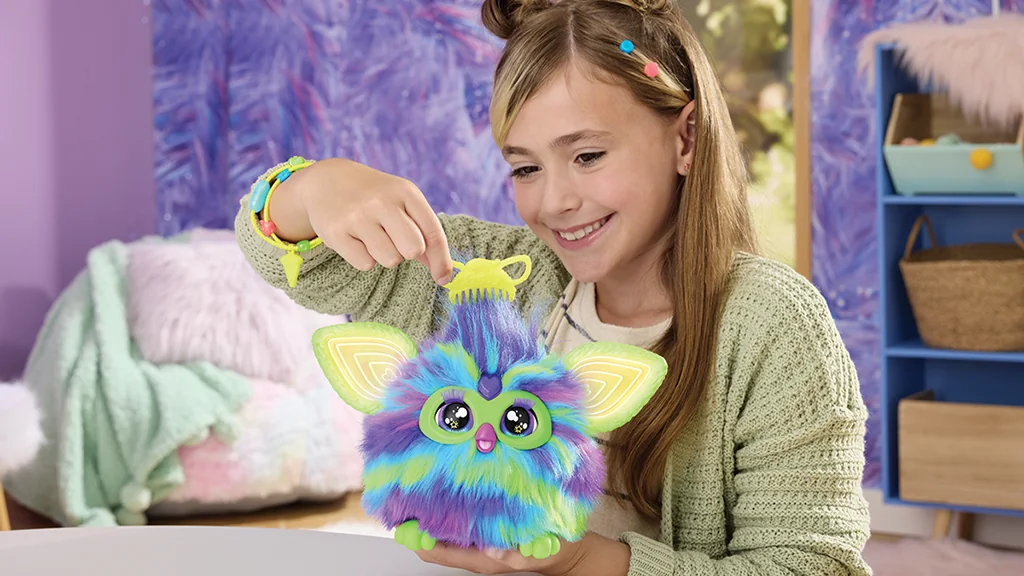
Interactive robotic toys are physical toys designed to respond to input from a child. That input may include touch, movement, or sound. In response, the toy performs a programmed action such as moving, producing sound, or changing behavior.
Unlike digital games or apps, these toys exist in the physical world. Children interact with them using their hands and imagination rather than screens.

Traditional toys usually remain passive. Interactive robotic toys, by contrast, respond when a child interacts with them.
Key differences include:
Cause-and-effect interaction instead of static play
Movement or sound responses triggered by actions
Repeatable reactions that children learn over time
This responsiveness often makes play feel more dynamic and engaging.
Children learn through interaction. When toys respond to their actions, children begin to understand cause and effect.
Interactive play can:
Encourage exploration
Support curiosity
Help children understand how actions create outcomes
The goal is engagement, not complexity.
Interactive robotic toys come in several forms, including:
Robotic pet toys
Movement-based toys
Sound-responsive toys
Each type offers different play experiences depending on how children interact with them.
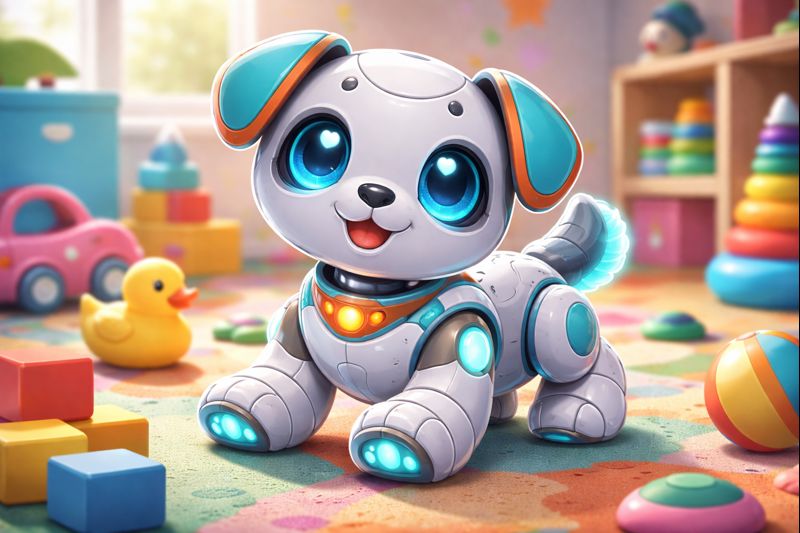
Robotic pet toys are one of the most common types of interactive robotic toys.
These toys:
Mimic certain behaviors of animals
Respond to touch or sound
Encourage imaginative and nurturing play
They are often chosen by families who cannot have real pets.
Many parents prefer toys that do not rely on screens.
Screen-free interactive toys:
Encourage physical movement
Reduce passive consumption
Keep play focused on imagination
Interactive robotic toys often meet these preferences by operating independently of phones or tablets.
Interactive toys are designed for different age groups. What works for a toddler may not engage an older child.
Age considerations include:
Complexity of interaction
Speed of movement
Sound levels
Durability
Choosing toys that match a child’s developmental stage supports better play experiences.
Safety is a key concern with any interactive toy.
Parents should consider:
Secure battery compartments
Controlled movement
Durable construction
Appropriate sound levels
Understanding basic safety principles helps parents make informed choices.
Interactive toys work best when they support imagination rather than replace it.
Children often:
Create stories around the toy
Assign personalities or roles
Use the toy as part of broader play scenarios
The toy responds, but the child leads the play.
These toys offer benefits, but they also have limitations.
Benefits may include:
Engaging, responsive play
Screen-free interaction
Encouragement of imaginative scenarios
Limitations may include:
Predictable responses
Limited complexity
Eventual loss of novelty
Balanced expectations help parents and children enjoy these toys more fully.
Parents play an important role in how toys are used.
Helpful practices include:
Setting boundaries around playtime
Encouraging creativity beyond the toy’s responses
Explaining the difference between toys and real-life experiences
Guidance helps children get more value from interactive play.
Not every interactive toy is right for every child.
Parents should consider:
Their child’s interests
Preferred play style
Available space
Safety needs
Thoughtful selection leads to better long-term satisfaction.
This guide serves as a starting point. Parents interested in learning more can explore:
Understanding the broader topic makes individual toy decisions easier.
Interactive robotic toys for kids offer a blend of physical play and responsive interaction. When chosen carefully and used thoughtfully, they can become a meaningful part of a child’s play environment.
By focusing on safety, age appropriateness, and imagination, parents can ensure these toys support enjoyable and balanced play.