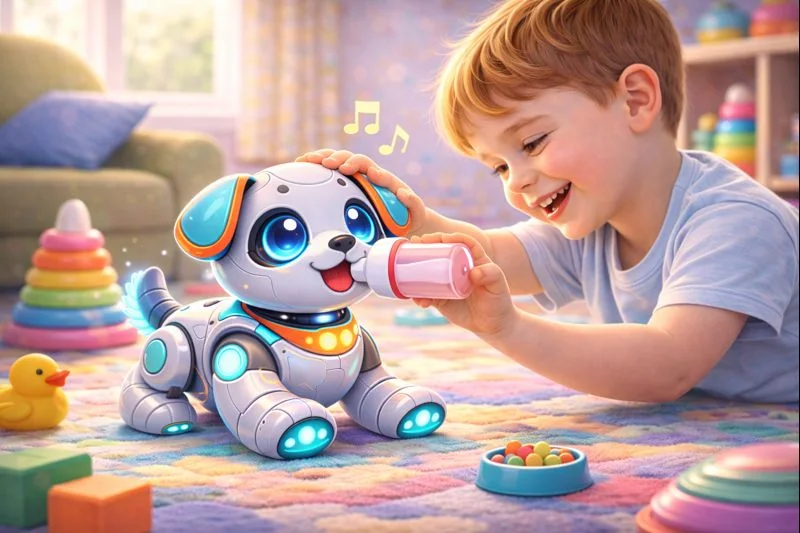
Child playing with a robot dog toy at home

Robot Dog Toys for Kids: What Parents Should Know

Robot dog toys are among the most popular types of robotic pet toys for children. Designed to resemble dogs in appearance or behavior, these toys offer interactive play without the responsibilities that come with caring for a real pet.

This guide explains what robot dog toys are, how children interact with them, and what parents should consider before choosing one.

What Are Robot Dog Toys?

Robot dog toys are interactive toys designed to:

  • Move in dog-like ways, such as walking or wagging

  • Respond to touch, sound, or simple commands

  • Produce sounds or actions associated with dogs

They are toys, not animals, and their behavior is limited to programmed responses.

Why Robot Dogs Are Popular With Kids

Many children are naturally drawn to dogs.

Robot dog toys appeal to kids because they:

  • Look familiar and friendly

  • Respond during play

  • Feel like companions during solo or imaginative play

Their predictability makes them approachable for younger children.

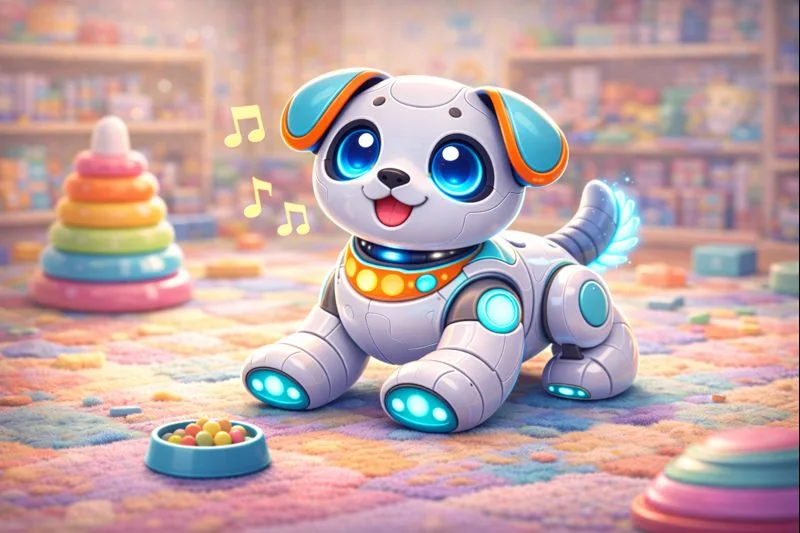
Illustration of a robot dog toy designed for children

How Children Typically Play With Robot Dog Toys

Children often interact with robot dog toys by:

  • Touching or petting them

  • Giving simple commands

  • Creating pretend routines or stories

Play is usually imaginative rather than goal-driven, especially for younger kids.

Imaginative and Role-Based Play Opportunities

Robot dog toys often become characters in pretend play.

Children may:

  • Pretend to care for the toy

  • Create stories involving walks or playtime

  • Assign names or personalities

This kind of play supports creativity and storytelling.

Screen-Free Interaction

Most robot dog toys:

  • Do not require screens

  • Operate independently

  • Encourage physical interaction

For families limiting screen exposure, this is a major benefit.

Safety and Age Considerations

Parents should always:

  • Follow age recommendations

  • Ensure battery compartments are secure

  • Supervise younger children during play

Robot dog toys are generally designed with safety limits on movement and sound.

Durability and Build Quality

Children often handle robot dog toys actively.

Parents may want to check:

  • Sturdy legs or wheels

  • Secure joints

  • Materials that withstand repeated handling

Durability affects both safety and long-term enjoyment.

Limitations Compared to Real Dogs

Robot dog toys do not:

  • Learn or adapt emotionally

  • Require real care

  • Respond unpredictably

Helping children understand these limits prevents confusion between toys and real animals.

Who Robot Dog Toys May Be Best For

Robot dog toys may suit children who:

  • Love dogs but cannot have real pets

  • Enjoy pretend and nurturing play

  • Prefer predictable, interactive toys

They may be less appealing to children seeking highly complex or competitive play. A robot dog toy will be good for these kids.

Helping Children Use Robot Dog Toys Positively

Parents can:

  • Encourage imaginative stories

  • Set clear play boundaries

  • Explain differences between toys and real pets

Guidance helps keep play healthy and balanced.

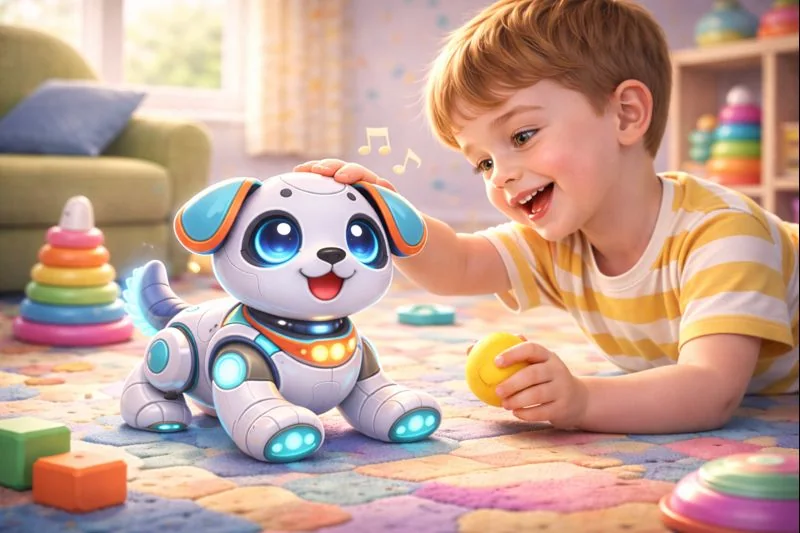
Child engaging in pretend play with a toy dog

Final Thoughts for Parents

Robot dog toys offer interactive, screen-free play that many children enjoy. When chosen thoughtfully and used with clear expectations, this type of robot dog toy can be a fun and engaging part of a child’s play environment.

Understanding what these toys offer—and what they do not—helps parents decide whether they fit their family’s needs.