Interactive Toys for Kids Ages 6–8: Supporting Curiosity and Skill Building

Between the ages of six and eight, children experience noticeable growth in thinking skills, independence, and curiosity. At this stage, play becomes more intentional. Children begin asking questions, experimenting with outcomes, and seeking toys that feel engaging over longer periods.

Interactive toys for this age group should support exploration, imagination, and emerging problem-solving skills while remaining safe and easy to understand.

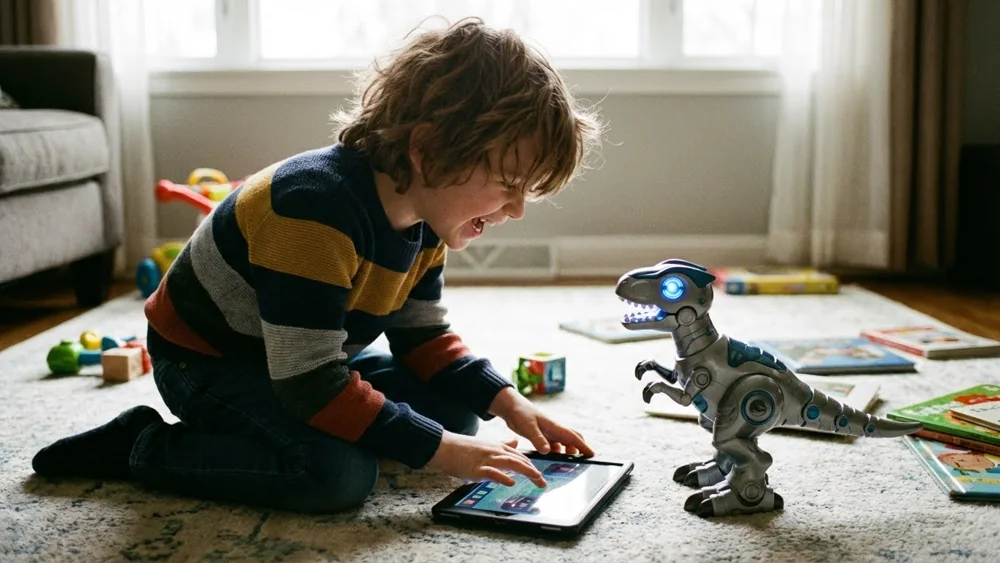
Child ages six to eight playing with an interactive toy

How Children Ages 6–8 Learn Through Play

Children in this age range often:

  • Enjoy figuring out how things work

  • Ask “why” and “what happens if” questions

  • Stay focused for longer periods during play

Play becomes a way to test ideas rather than just repeat actions. Toys that respond clearly and consistently can support this learning style.

What Makes an Interactive Toy Suitable for Ages 6–8

Good interactive toys for ages 6–8 usually:

  • Offer multiple interaction options without being confusing

  • Respond differently based on a child’s actions

  • Encourage exploration rather than constant instruction

Children at this age can handle more complexity, but toys should still feel intuitive.

Encouraging Problem-Solving and Experimentation

Many children between six and eight enjoy experimenting.

Interactive toys can support this by:

  • Allowing children to try different inputs

  • Showing clear cause-and-effect relationships

  • Encouraging trial and error

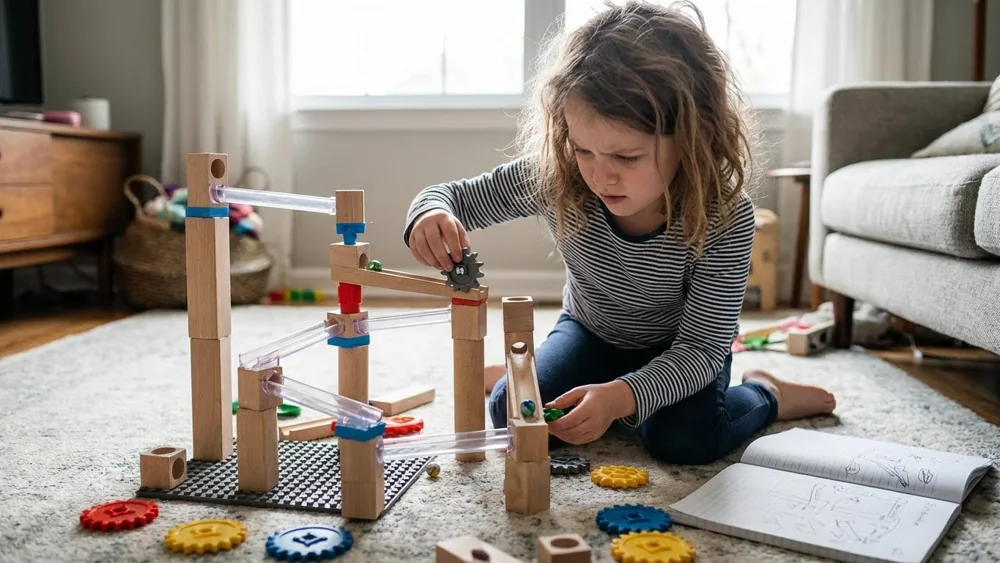
Parents may notice children repeating actions to see if outcomes change, which is a healthy part of learning.

Child experimenting and problem-solving during toy play

Imagination and Role-Based Play

Imagination remains important at this age.

Interactive toys may:

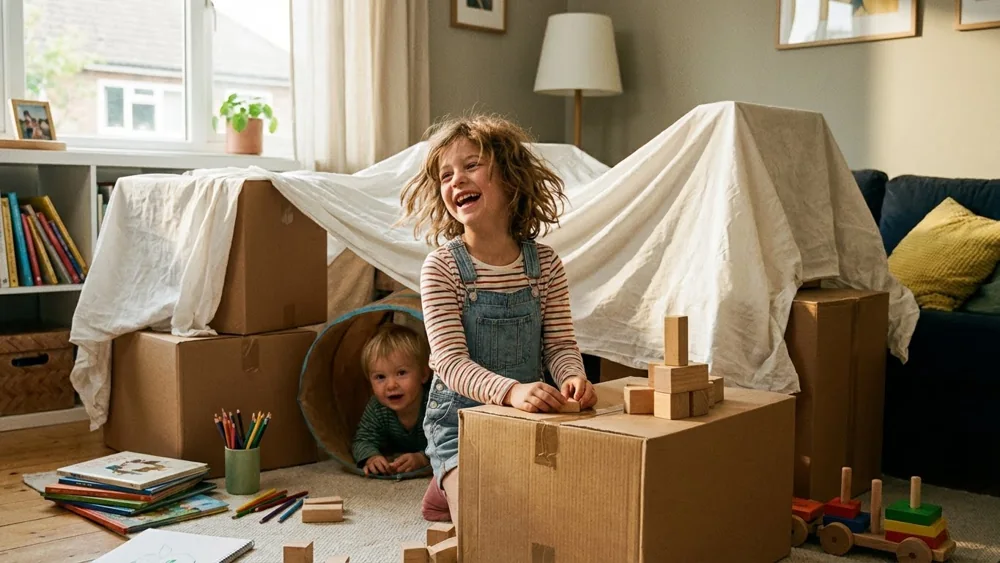
  • Act as characters in invented stories

  • Respond in ways that inspire new scenarios

  • Be combined with other toys during play

The best toys support imagination rather than limiting play to fixed routines.

Balancing Stimulation and Focus

Children ages 6–8 can enjoy stimulation, but too much can reduce focus.

Parents should look for toys that:

  • Avoid constant noise or flashing lights

  • Allow pauses in play

  • Respond only when the child interacts

This balance helps children stay engaged without becoming overstimulated.

Screen-Free and App-Free Preferences

Many interactive toys for this age group are still:

  • Fully offline

  • Screen-free

  • Self-contained

Parents who prefer limited screen exposure may find these toys fit well into daily routines.

Elementary-age child enjoying screen-free play at home

Safety and Durability Considerations

Children play more actively at this stage. So naturally safety of interactive toys becomes a question for parents.

Parents should ensure:

  • Toys are made from durable materials

  • Moving parts feel sturdy

  • Battery compartments remain secure

Toys should withstand regular handling and occasional drops.

Supporting Independent Play

Ages 6–8 are ideal for developing independence.

Interactive toys can:

  • Encourage solo exploration

  • Allow children to play without constant guidance

  • Build confidence through self-directed play

Parents can observe and join occasionally without directing every activity.

Signs a Toy May Not Be the Right Fit

A toy may not suit this age group if:

  • The child loses interest very quickly

  • Instructions are overly restrictive

  • Play feels repetitive without room for creativity

Observing how a child engages provides the best feedback.

How Parents Can Enhance Play Experiences

Parents can add value by:

  • Asking children to explain how the toy works

  • Encouraging storytelling during play

  • Rotating toys to maintain novelty

Simple conversation helps children reflect on what they are learning.

Final Thoughts for Parents

For children ages 6–8, interactive toys should encourage curiosity, experimentation, and imaginative play without overwhelming the child. When chosen thoughtfully, these toys can support growing independence and confidence as part of a balanced play environment.