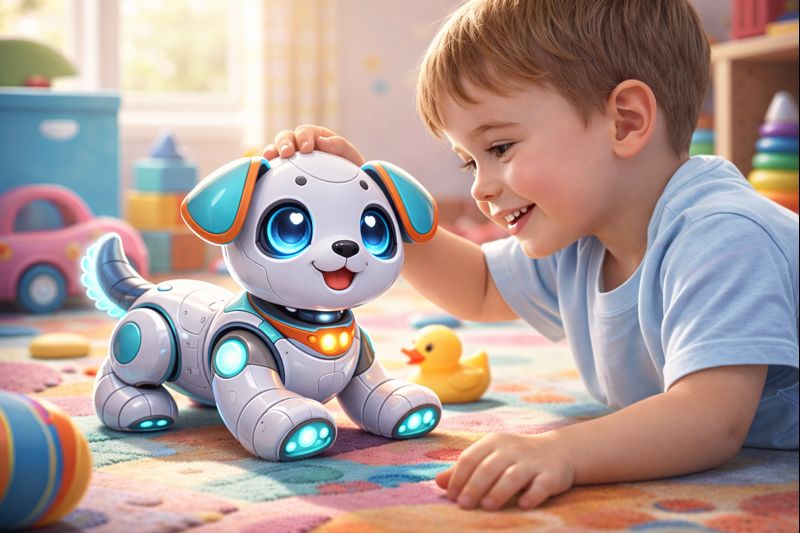
Illustration of a robotic pet toy designed for children

Robotic Pet Toys for Kids: What Parents Should Know

Robotic pet toys are designed to simulate some behaviors of real animals, such as movement, sound, or simple responses to touch. For many families, these toys offer a way for children to enjoy pet-like play without the long-term responsibilities of caring for a real animal.

This guide explains what robotic pet toys are, how they work, and what parents should consider before introducing them.

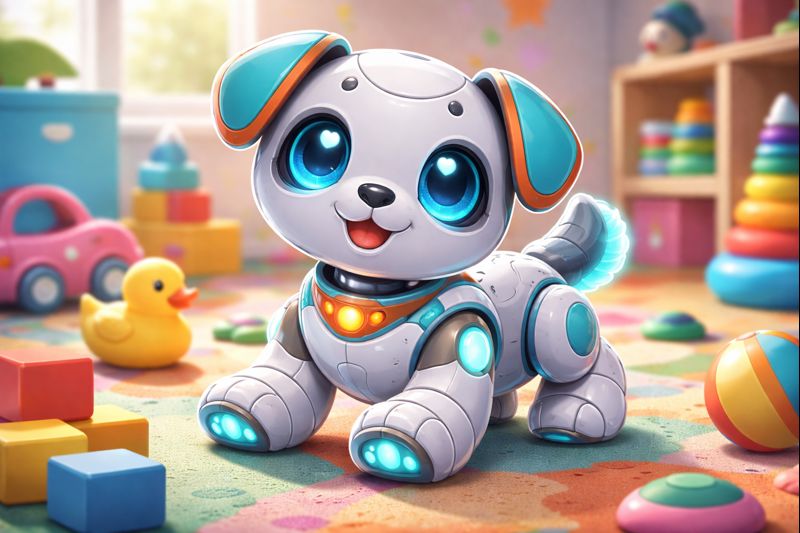
What Are Robotic Pet Toys?

Robotic pet toys are interactive toys that:

  • Move on their own

  • Respond to touch, sound, or commands

  • Imitate basic animal behaviors

They are commonly shaped like dogs, cats, or other familiar pets and are designed specifically for children.

Why Some Families Choose Robotic Pets

Parents may consider robotic pet toys because:

  • Real pets may not be practical

  • Children want pet-like interaction

  • Families want a low-maintenance option

Robotic pets can introduce nurturing play without the responsibilities of feeding, training, or veterinary care.

How Robotic Pet Toys Interact With Children

Child playing gently with a robotic pet toy

Most robotic pet toys respond through:

  • Simple movements such as walking or wagging

  • Sounds like barking or playful noises

  • Basic reactions to touch or voice

These interactions are predictable and designed to feel engaging without being overwhelming.

Benefits of Robotic Pet Play

When used appropriately, robotic pet toys may:

  • Encourage imaginative and pretend play

  • Support nurturing and caring behaviors

  • Provide companionship during play

These benefits depend on how the toy is introduced and used.

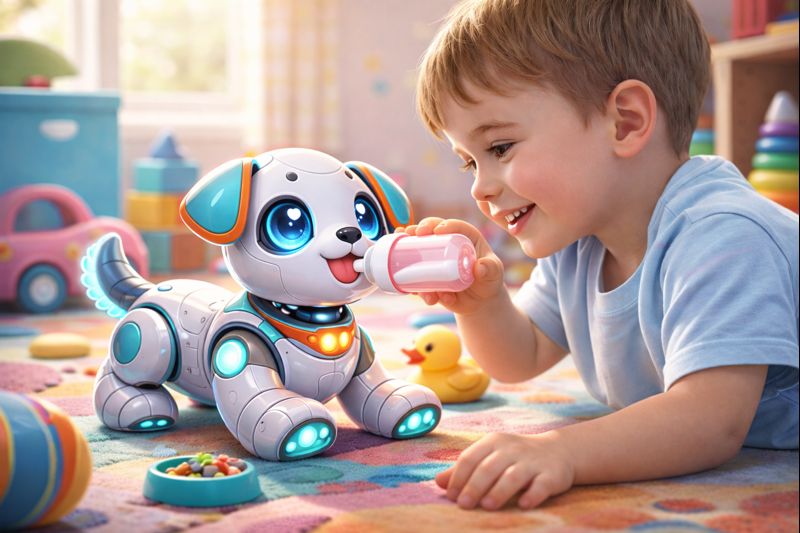
Child practicing nurturing play with a toy pet

Limitations Compared to Real Pets

Robotic pet toys cannot replace:

  • Emotional bonds with real animals

  • Learning responsibility through daily care

  • Natural, unpredictable behavior

Parents should help children understand that robotic pets are toys, not living beings.

Age and Safety Considerations

Robotic pet toys should always be chosen based on:

  • Age recommendations

  • Size and weight of the toy

  • Durability and battery safety

Younger children may need supervision to ensure safe handling.

Screen-Free and Offline Design

Many robotic pet toys are:

  • Screen-free

  • App-free

  • Fully offline

This makes them appealing to families looking to reduce screen exposure while still offering interactive play.

How Parents Can Introduce Robotic Pet Toys

Parents can support positive play by:

  • Setting clear expectations

  • Playing together initially

  • Encouraging gentle interaction

Guidance helps children use the toy in healthy and imaginative ways.

When Robotic Pet Toys May Not Be a Good Fit

These toys may not suit every child. Parents might reconsider if:

  • A child prefers real animals strongly

  • The toy causes frustration or overstimulation

  • The child is below the recommended age

Observing play behavior helps determine fit.

Final Thoughts for Parents

Robotic pet toys can offer enjoyable, interactive play experiences for children when chosen carefully. They work best as part of a balanced play environment that includes creativity, movement, and social interaction.

Understanding both benefits and limitations helps parents make informed decisions.