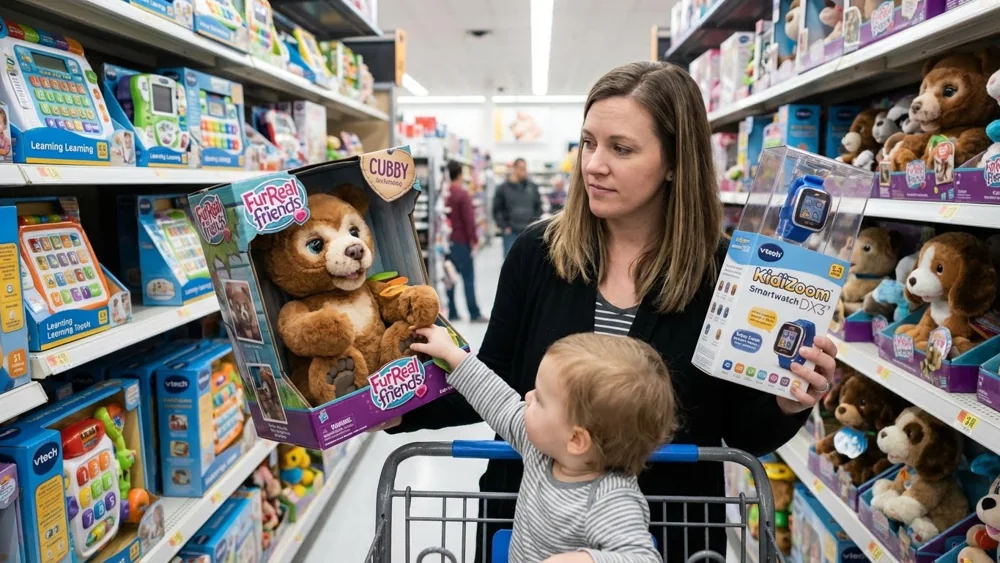
Parent comparing interactive toys before choosing one

Buying Guide for Interactive and Robotic Toys: What Parents Should Consider

Buying interactive or robotic toys can feel overwhelming due to the wide range of features and claims. Rather than focusing on marketing terms, parents benefit most from understanding what actually matters when choosing a toy for their child.

This guide walks through practical factors that help parents make informed, confident decisions.

Start With Your Child’s Age and Interests

Before looking at features, consider:

  • Your child’s age and developmental stage

  • How they like to play (active, imaginative, quiet)

  • Whether they prefer solo or shared play

A toy that matches a child’s interests is more likely to be used meaningfully.

Decide Between Screen-Free and App-Based Toys

Some interactive toys operate entirely on their own, while others rely on apps.

Parents should ask:

  • Does the toy require a phone or tablet?

  • Can it work without internet access?

  • How comfortable is the family with screen use?

Screen-free toys often offer simpler, more focused play experiences.

Understand the Level of Interaction

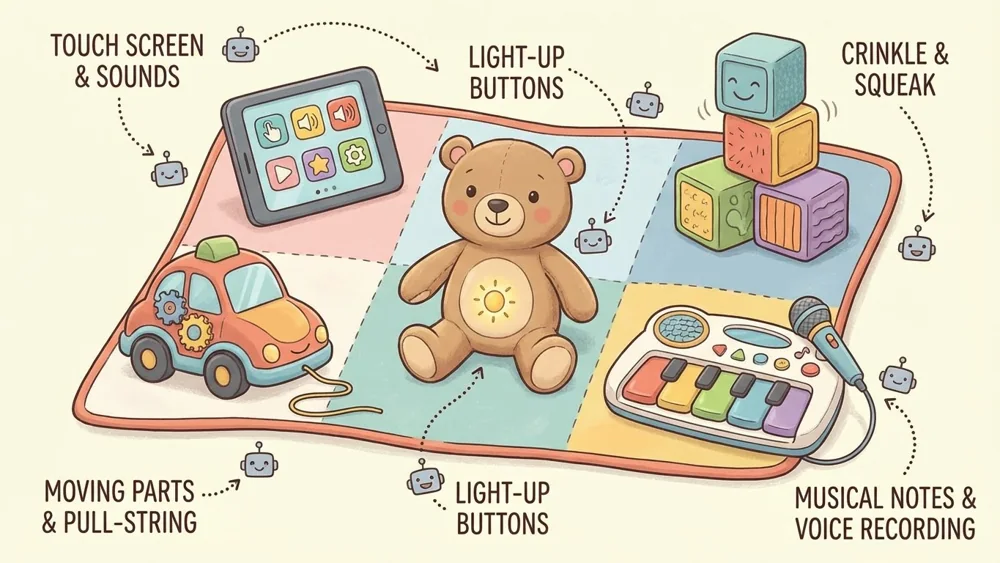
Illustration showing common interactive toy features

Interactive toys vary in how much they respond.

Consider:

  • Simple cause-and-effect responses

  • Multiple modes or behaviors

  • Predictability versus variety

Too much complexity can overwhelm younger children, while too little may bore older ones.

Check Safety and Build Quality

Safety should always be a priority.

Parents should look for:

  • Secure battery compartments

  • Durable materials

  • Smooth edges and sturdy construction

  • Age-appropriate movement and sound levels

A well-built toy is safer and lasts longer.

Consider Durability and Maintenance

Interactive toys may require:

  • Battery replacement or charging

  • Occasional cleaning

  • Proper storage

Parents should consider whether they are comfortable with basic maintenance over time.

Think About Play Value Over Time

Some toys are exciting at first but lose appeal quickly.

Longer-lasting toys often:

  • Encourage open-ended play

  • Allow multiple ways to interact

  • Grow with the child’s abilities

Play value matters more than novelty.

Be Cautious With Marketing Claims

Terms like “AI-powered” or “educational” are often used broadly.

Parents should:

  • Look for clear explanations of features

  • Avoid relying on vague promises

  • Focus on how the toy actually works

Understanding function is more useful than labels.

Balance Budget and Expectations

Interactive toys range widely in price.

A higher price does not always mean:

  • Better learning outcomes

  • Longer-lasting engagement

  • Higher quality

Parents can often find suitable options by focusing on fit rather than cost.

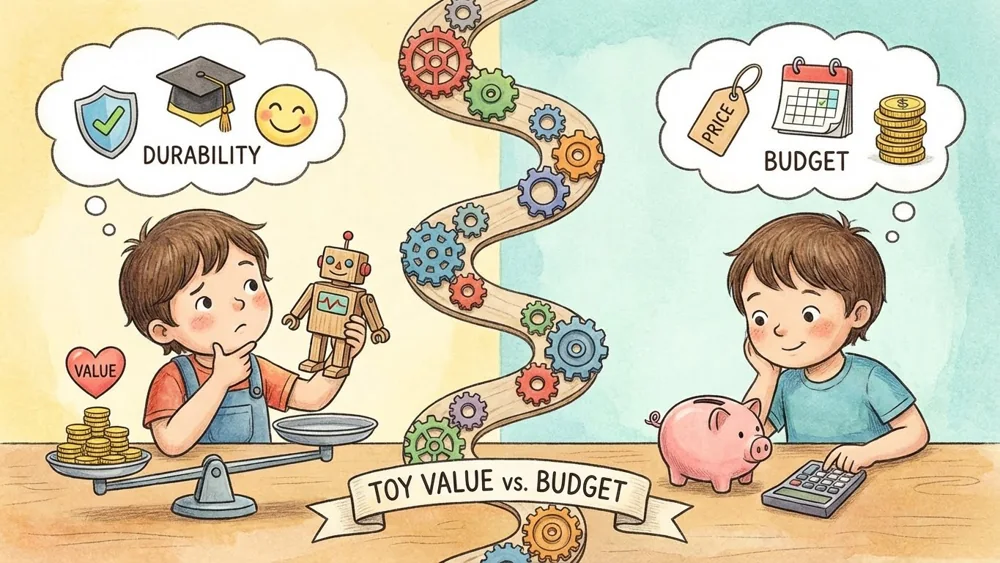
Illustration representing value and budget considerations for toys

Read Instructions and Reviews Carefully

Before finalizing a choice:

  • Review setup requirements

  • Check return policies

  • Read balanced reviews focusing on usability

This helps avoid surprises after purchase.

Final Thoughts for Parents

Buying interactive or robotic toys is less about finding the “best” option and more about finding the right fit for your child and family.

By focusing on age, safety, interaction level, and long-term play value, parents can make choices that support enjoyable and balanced play.