Age-Appropriate Interactive Toys: Choosing What Fits Your Child

Choosing toys that match a child’s age and developmental stage is one of the most important factors in safe and enjoyable play. Interactive toys can be engaging, but they work best when their features align with what a child can comfortably understand and handle.

This guide explains how age appropriateness affects interactive toy choices and what parents should consider at different stages.

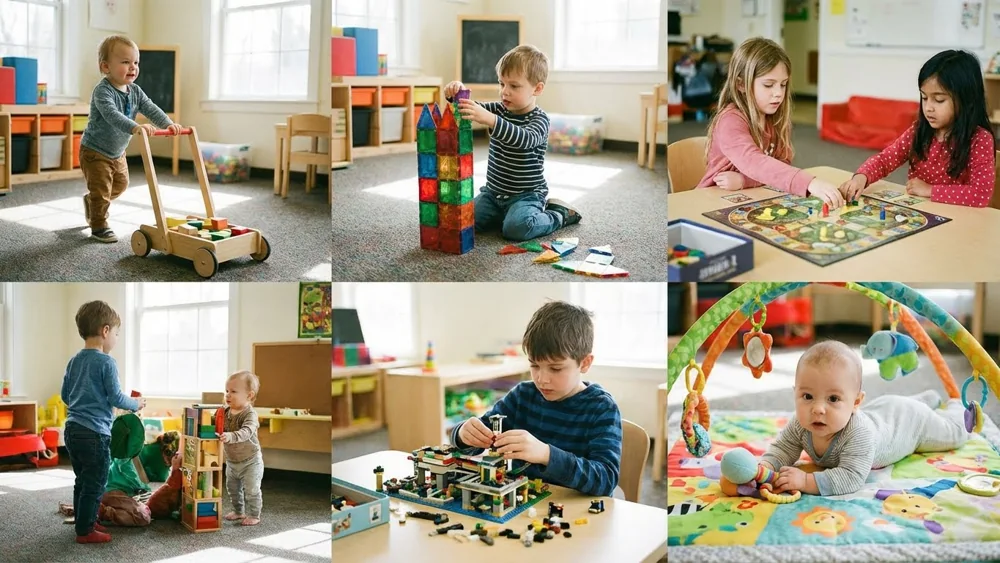
Children of different ages playing with age-appropriate toys

Why Age Appropriateness Matters

Age guidelines exist to help parents:

  • Reduce safety risks

  • Match play complexity to skill level

  • Prevent frustration or overstimulation

A toy that is too advanced may confuse a child, while one that is too simple may quickly lose interest.

Interactive Toys for Toddlers (Ages 1–3)

For toddlers, interactive toys should focus on:

  • Simple cause-and-effect actions

  • Large, easy-to-handle parts

  • Gentle sounds and movements

Toys for this age group should avoid small parts and complex responses.

Interactive Toys for Preschoolers (Ages 3–5)

Preschool-aged children often enjoy:

  • Toys that respond to multiple actions

  • Simple pretend play features

  • Repetition and routine-based interaction

At this stage, children begin to understand patterns and enjoy toys that “react” in predictable ways.

Interactive Toys for Early School-Age Kids (Ages 6–8)

Children in this age range may be ready for:

  • More detailed responses

  • Basic problem-solving elements

  • Toys that support imaginative scenarios

Parents should still ensure toys are durable and easy to understand.

Interactive Toys for Older Children (Ages 9 and Up)

Older children may prefer:

  • More complex interactions

  • Customizable features

  • Longer play cycles

However, interest varies widely at this stage, and some children may prefer traditional or creative toys instead.

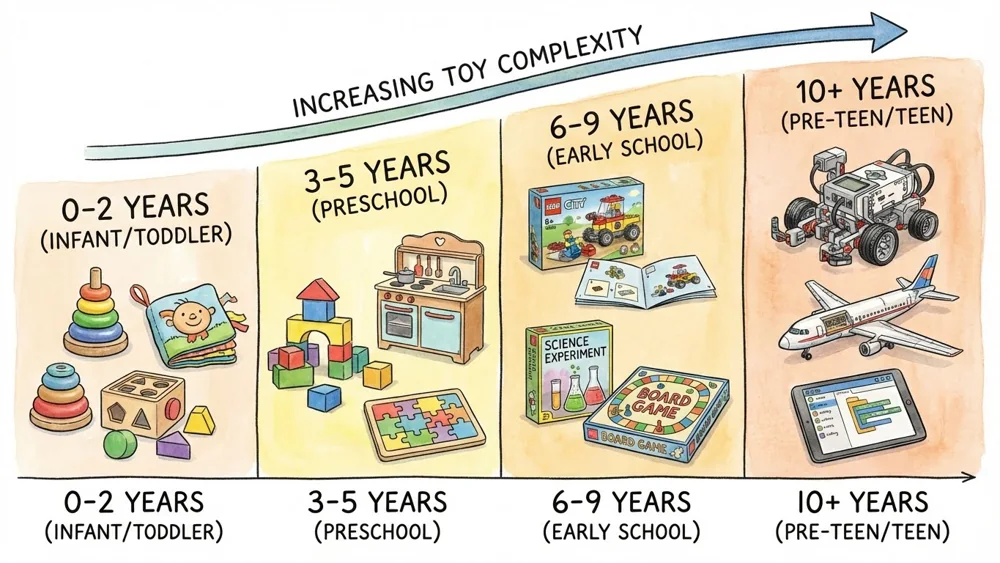
Matching Toy Complexity to Development

Illustration showing increasing toy complexity by age

Parents should consider:

  • Motor skill level

  • Attention span

  • Emotional readiness

A toy should challenge a child gently without causing frustration.

Safety Considerations by Age

Age affects safety factors such as:

  • Choking hazards

  • Battery access

  • Movement strength

  • Sound levels

Always follow manufacturer age recommendations and supervise younger children closely.

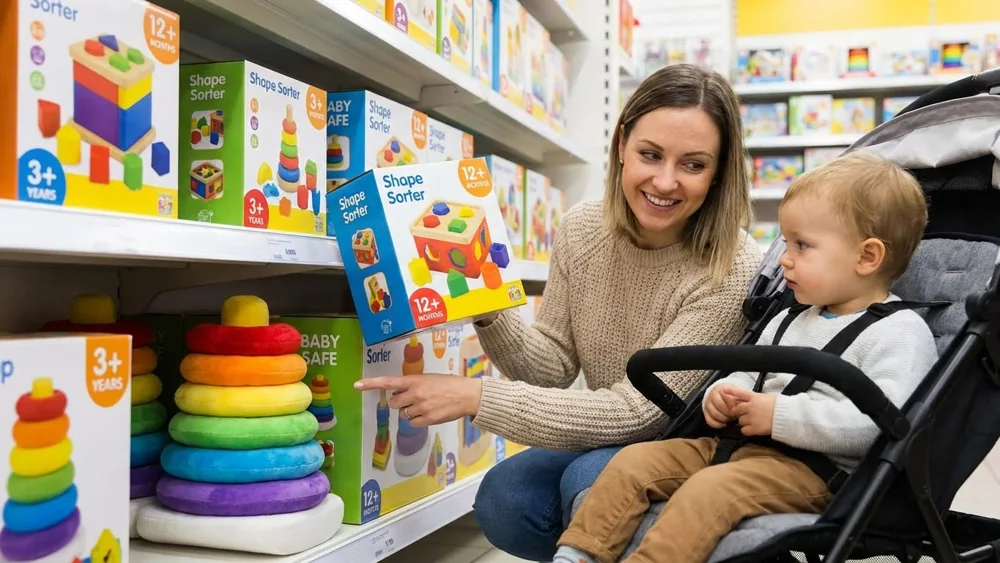
Parent choosing toys suitable for a child’s age

Signs a Toy May Not Be Age-Appropriate

A toy may not be a good fit if:

  • A child becomes frustrated quickly

  • The toy is misused or thrown

  • Playtime becomes overly stimulating

Observing how a child interacts with a toy offers valuable guidance.

Adjusting Play as Children Grow

Children’s interests change over time. Parents can:

  • Rotate toys

  • Introduce new play styles gradually

  • Combine interactive toys with open-ended play

Flexibility helps toys remain engaging without pressure.

Final Thoughts for Parents

Age-appropriate interactive toys support safer, more enjoyable play. By matching toy features to a child’s developmental stage, parents can encourage engagement without overwhelm.

Understanding your child’s abilities and interests remains the most reliable guide.